Ayurvedic food traditions in Sri Lanka form a distinctive part of the island’s cultural identity. For more than 3,000 years, Sri Lankans have blended indigenous healing practices with the classical Ayurvedic system, creating a unique culinary heritage rooted in wellness, spirituality, and local biodiversity.
Ayurveda in Sri Lanka is closely connected to the island’s indigenous medical system. Long before formal Indian Ayurveda arrived, Sri Lankans practised an indigenous medical system using native herbs, roots, and preparations passed down through family lineages.
Historical chronicles such as the Mahavamsa record that as early as the 4th century BCE, Sri Lankan kings established healing centres and hospitals among the oldest in the world. These centres used herbal recipes, medicinal foods, and therapeutic meals as part of routine treatment.
The arrival of Buddhism in the 3rd century BCE further strengthened Ayurveda’s role. Monks studied medicinal plants, prepared healing meals, and preserved medical knowledge in monasteries, weaving Ayurvedic diet principles into daily life.
Over centuries, Sri Lanka developed its own Ayurvedic identity by combining classical Indian teachings with locally available ingredients. Native botanicals enriched the local Ayurvedic diet, making Sri Lankan cuisine uniquely herbal and deeply therapeutic.
The island’s rich biodiversity played a major role. Families practising Ayurveda for generations built vast knowledge of healing plants, shaping food traditions that emphasised balance, digestion, and seasonal eating.
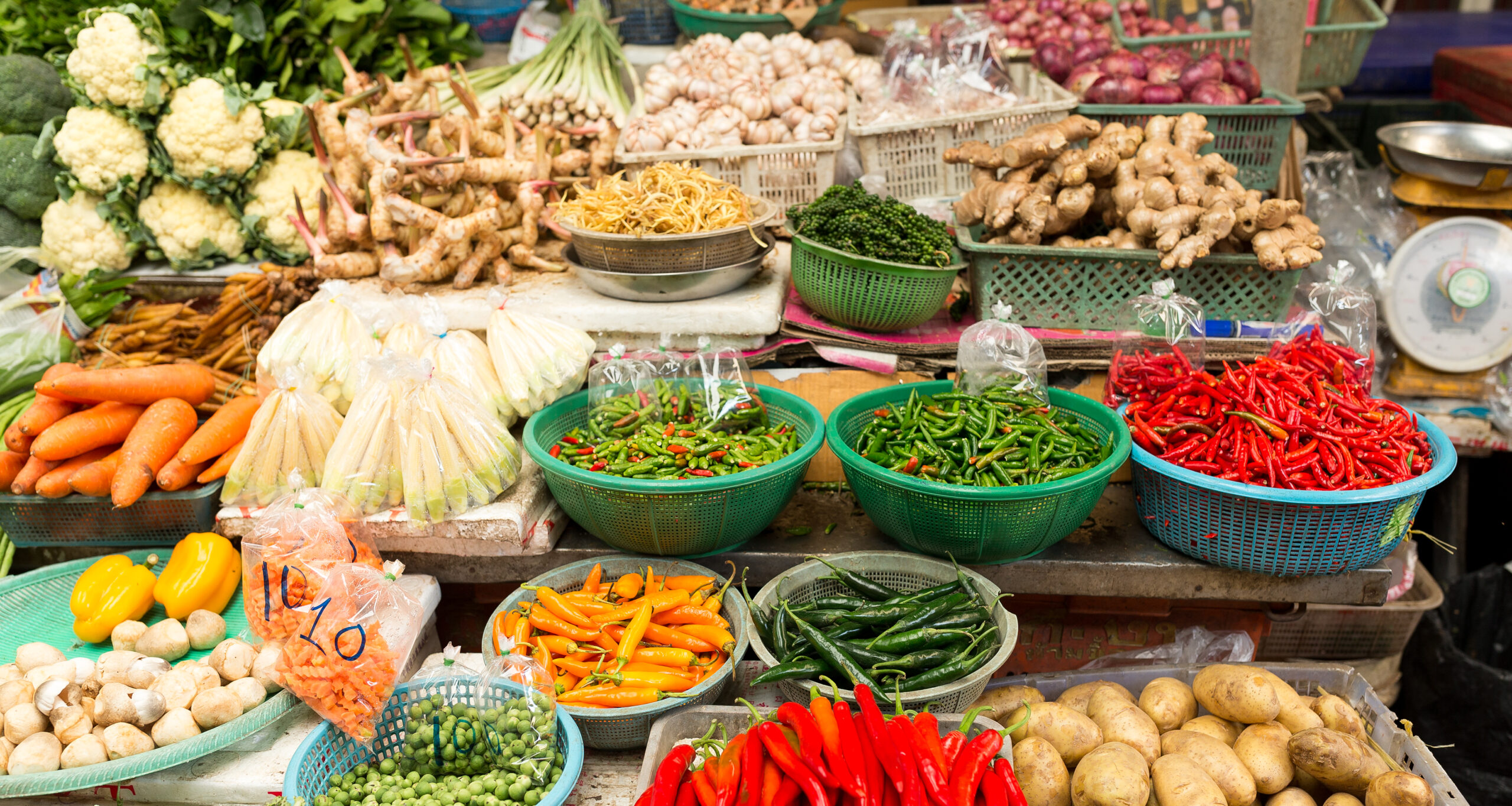
Sri Lankan meals reflect the Ayurvedic goal of balancing the body. This balance is achieved through mindful use of spices, cooking methods, and ingredient pairing. Spices such as turmeric, ginger, coriander, cinnamon, and fenugreek elevate flavour while providing digestive, anti-inflammatory, and immunity‑boosting benefits. Ingredients such as coconut milk, red rice, lime, tamarind, and bitter greens naturally contribute to these taste profiles.
Sri Lanka stands out for its ability to combine medicinal purposes with everyday meals. Unlike in many regions where Ayurvedic food is prepared only for treatment, Sri Lankans incorporate healing ingredients into daily cooking, making wellness an effortless part of life.
Some defining features include:
- Red Rice: A staple valued for its grounding, nourishing quality.
- Ceylon Cinnamon: A world‑renowned spice that regulates blood sugar and boosts metabolism.
- Gotu Kola: A traditional salad believed to enhance memory, calm the mind, and purify blood.
- Herbal Porridges (Kola Kanda): Morning meals made with fresh leaf juice, rice, and spices help detoxify and strengthen the body.
- Coconut‑based preparations: Rich in healthy fats, they support digestion and balance heat in the body.
These traditions demonstrate how Sri Lanka merges nourishment with healing through taste, texture, and natural medicine.
Today, Ayurvedic food remains central to the Sri Lankan lifestyle and hospitality. Wellness resorts, Ayurvedic spas, and traditional homes continue to use ancient recipes, herbal drinks, and balanced meals to maintain overall health. This living tradition reflects a holistic philosophy where food is both medicine and cultural heritage.